
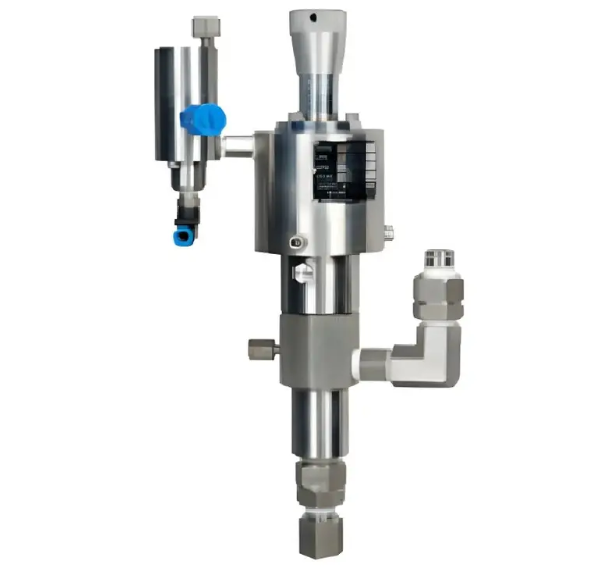

Demanding process applications often require controlled delivery of chemicals, additives and other process fluids under challenging operating conditions. Variations in pressure, temperature, viscosity and chemical composition can make accurate fluid delivery more difficult. Pumping equipment must therefore be selected according to the actual process duty rather than capacity alone. Pneumatic metering technology can provide controlled fluid delivery where compressed air is available and the application requires dependable operation in demanding environments. Correct sizing, material compatibility, suction conditions, pressure management and maintenance all influence performance. A complete assessment of the process helps ensure that the selected equipment can operate reliably throughout its expected service range.
Understanding Pneumatic Metering Pump Operation
A pneumatic metering pump uses compressed air as its driving energy to move and control a process fluid. Depending on the design, pneumatic operation can support repetitive and controlled delivery while separating the driving medium from the pumped liquid.
How Controlled Fluid Delivery Works
Different pumping technologies may be selected depending on the required flow characteristics and process conditions. A rotary gear pump can be suitable for continuous fluid transfer where the fluid properties, pressure requirements and operating range align with its design. Pneumatic metering pumps, by comparison, are useful where compressed-air operation and controlled metering are required.
Applications Where Pneumatic Metering Can Be Useful
Pneumatic metering is used for controlled fluid delivery in chemical treatment, water conditioning, oil and gas and manufacturing processes.
Chemical Injection and Dosing
Treatment chemicals often require steady dosing to maintain process conditions. Pump selection should consider chemical properties, flow range, injection pressure and suction requirements. The injection point should also support consistent chemical distribution.
Managing Difficult Fluid Properties
Viscosity, density, temperature and chemical composition can affect metering performance.
Viscosity and Temperature
- Highly viscous fluids may require stronger suction capability and suitable piping.
- Temperature changes can alter viscosity and pump performance.
- Chemical concentration can affect both viscosity and density.
- Equipment should be selected for the full expected operating range.
Pressure and Flow Control
The pump must overcome downstream resistance while maintaining the required flow.
Balancing Flow and Discharge Pressure
- Establish required flow at the expected operating pressure.
- Increased back pressure can affect delivered volume.
- Suitable valves and pressure-control devices may help maintain stable operation.
- Check suction conditions to prevent inconsistent pump filling.
Material Selection for Process Fluids
Wetted components must withstand the chemical, temperature and operating conditions.
Protecting Wetted Components
Diaphragms, valve seats, chambers, seals and connections should be selected for chemical compatibility. Corrosive or abrasive fluids may require specialised materials to prevent premature component deterioration.
Installation Requirements
Installation quality can have a direct effect on pump performance. Even correctly selected equipment may operate poorly when connected to unsuitable pipework. A pneumatic metering pump requires a suction line that is kept as short and direct as practical while maintaining appropriate diameter. Excessive restrictions can affect the pump’s ability to fill correctly. The discharge line should be designed for the required pressure and flow. Unnecessary bends, undersized pipes and blocked filters can increase system resistance. Air supply quality is also important. Compressed air should be clean and appropriately regulated according to the pump requirements. Moisture or contaminants in the air supply can affect pneumatic components over time.
Accuracy and Calibration
Where the pump is used for chemical dosing, consistent delivery is usually more important than simply achieving a nominal flow rate.
Verifying Actual Output
Calibration can be used to compare the intended dosing rate with the actual quantity delivered. Verification should ideally cover relevant operating points because pump behaviour may vary across the operating range. Changes in fluid properties, pressure conditions or component wear can affect the delivered quantity. Periodic checks can therefore provide useful information about long-term performance. Where the process requires highly precise dosing, the pump may be integrated with flow measurement and automated control equipment. This allows the dosing rate to respond to changing process requirements.
Maintenance in Demanding Applications
Regular maintenance helps preserve metering performance and identify developing problems. Inspection requirements depend on the fluid, operating hours, pressure and chemical environment. Diaphragms, valves, seals and other wetted components should be checked for wear, cracking, swelling or chemical degradation where applicable.
Monitoring Performance Changes
A gradual reduction in output can indicate component wear, suction restrictions or changes in process conditions. Unusual pressure fluctuations may also indicate blockages or valve problems. Maintenance records should include operating conditions, component replacements and calibration results where appropriate. This information can help identify recurring problems and support more effective maintenance planning. Keeping critical replacement components available can also reduce downtime when servicing is required.
Integrating the Pump Into a Process System
A metering pump should not be selected independently from the rest of the process. The chemical storage system, suction piping, pump, discharge line, injection equipment and control system all influence final performance. The required dosing rate should be linked to the actual process demand. Instrumentation may be used to monitor pressure, flow, tank level or other variables that affect dosing. For larger process systems, packaged arrangements can simplify equipment coordination and installation. A properly integrated system can also make isolation and maintenance easier.
Conclusion
Pneumatic metering technology can be suitable for demanding process applications where controlled fluid delivery, compressed-air operation and chemical compatibility are important considerations. Reliable performance depends on appropriate sizing, pressure management, fluid-property assessment, material selection and correct installation. Calibration and routine maintenance are equally important when consistent dosing is required over extended operating periods. The complete process arrangement should be considered so that the pump, piping, injection point and control equipment work together effectively. NND OIL & GAS can support industrial process requirements with engineered pumping and fluid-handling solutions tailored to specific application conditions.