
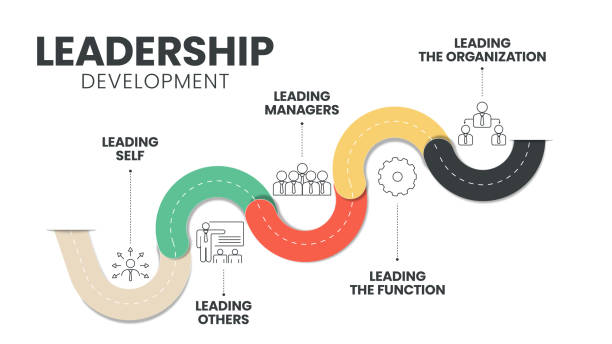

Talents alone are never the only key to a leader’s success. Learning, feedback, and practice is how they get better. A solid leadership development plan provides young professionals with an ideal environment in which to expand their leadership skills while increasing readiness for advanced roles within the business.
While a structured plan provides clarity to avoid leaving growth to chance − and helps create measurable progress.
Start with Clear Objectives
Any leadership development plan that actually works starts by figuring out your current state and desired future state. Goal-led objectives helps to stay focused and easier to measure progress.
Good objectives may include:
- Improving communication
- Strengthening decision-making
- Leading larger teams
- Managing workplace challenges
- Building employee trust
All goals should align with both personal and organizational development.
Build a Practical Roadmap
A plan has the best of all plans when instead it is concrete actions rather than ideas. A lot of professionals end up designing a structured leadership development plan template including different learning activities, timeline, and review progress.
A useful template often includes:
Current Skills
Recognize strengths as well as weaknesses.
Learning Activities
Coaching, workshops, leadership books, or handling a project assignment.
Progress Reviews
Have constant checkups to determine the improvement and adjust the goals whenever required.
A structured approach ensure that leadership development is predictable and systematic.
Learn by Leading
Real leadership skills will be built when you have the experience. It is a good learning experience to handle projects, guide team members, and resolve workplace issues.
The best leadership development plan also allows the individual to combine training with real-world experience. When you apply new skills into your everyday life, it boots confidence and helps you decide better.
Include Feedback in Process
Constructive feedback is one of the best leadership tools. Insights by managers, mentors, and colleagues help in pointing out strengths and areas of improvement.
Those who are interested in designing a structured leadership development plan template generally try to add sessions through which they receive feedback on a regular basis.
Final Thoughts
Leadership development is a journey not a destination. Leaders develop by planning − structured, guided learning to strengthen competencies, and build confidence in delivering strategic impact when it matters most.
You can create a structured leadership development plan template to build consistency on a path to success while acquiring the hard and soft skills necessary for building effective teams, and ultimately, advancing in your career.