
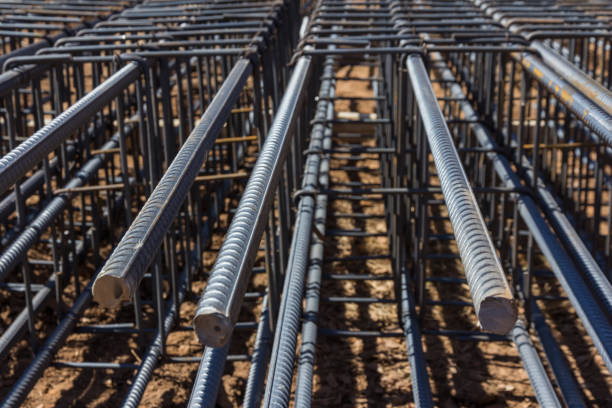

Steel bars provide strength for reinforced concrete structures. Yet, steel will rust over time when directly introduced to moisture, salt, and chemicals. That is the primary reason why builders would compare galvanized rebar vs epoxy rebar before selecting materials for construction projects. Knowing how each option performs can help in enhancing durability, and lowering future maintenance costs.
Why Reinforcement Protection is Important?
Concretes has tiny pores and fissures on its surface as it gets older. These openings allow water and contaminants to reach the reinforcing steel. After the corrosion starts, it could result in breaking, spalling, and structural failure.
The reinforcement is ideally corrosion resistant and offers protection to both the steel and the concrete around it.
Understanding the Two Options
Corrosion protection products are basically two types of offers which protect steel in multiple different ways performing a wide range of protection strategies.
Galvanized Rebar
Galvanized rebar is coated in zinc. This coating creates an impervious surface that shields the metal, continuing to protect the steel even in the event that micro-scratches occur during installation.
Epoxy Rebar
Epoxy-coated rebar has a strong but thin outer layer that acts as a barrier against moisture and chemicals. If the coating stays intact, it works great; once you chip or damage the surface, it becomes a weak spot.
These distinctions are important when evaluating galvanized rebar vs epoxy rebar for challenging construction jobs.
Factors to Consider Before Choosing
Every project has unique requirements.
Consider:
- Environmental conditions
- Exposure to salt or chemicals
- Installation practices
- Expected service life
- Long-term maintenance costs
Whether builders are choosing galvanized rebar vs epoxy rebar for long-term corrosion protection will usually end up doing a better job of matching the necessarily specific needs of the project materials.
Looking Beyond Initial Cost
The cheapest approach also is not always the most cost effective over a building lifespan. Corrosion can, and usually does, lead to repairs which are exponentially costlier than spending a little more on better protection at the point of construction.
When you conduct a cost-benefit analysis of epoxy rebar vs galvanized rebar, the focus should be on long-term maintenance/repair regimens rather than simply purchase price.
Final Thoughts
Choosing the appropriate reinforcement material can make bridges, parking garages, marine structures, and commercial buildings last longer. Understanding how it adds half, engineers and contractors can mitigate long-term corrosion challenges when making key decisions about galvanized rebar vs epoxy Rebar. Thorough project review identifies whether galvanized vs epoxy rebar is in interest of long-term cost versus short term benefits.