


Understanding the Basics of Ms beam
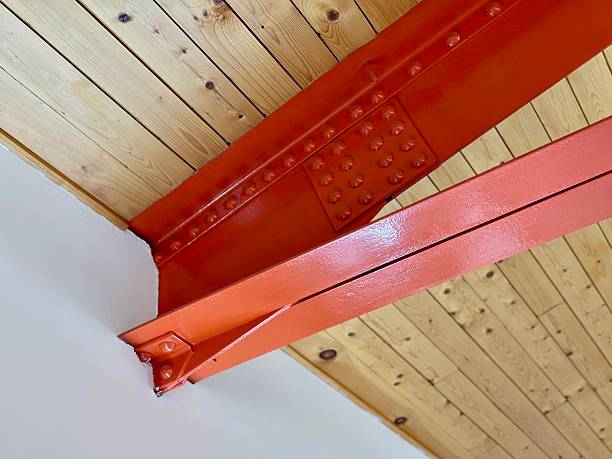
If you’ve ever strolled around a construction site and squinted at those massive steel structures, chances are you’ve seen an Ms beam without even realizing it. The shape literally resembles a capital “H,” and it’s not just a random design choice. The reason engineers love it is simple: it’s all about strength and stability. Honestly, I remember the first time I learned about Ms beams—it felt like discovering a cheat code for building stuff. These beams can carry insane loads without bending, which is why you’ll find them everywhere, from bridges to skyscrapers.
Unlike the simpler I beam, which is more like a slender warrior carrying a load on its own, the Ms beam spreads the weight evenly across the flanges and the web. This might sound like geeky engineering mumbo-jumbo, but think of it like carrying groceries in a backpack with multiple compartments versus just holding a single heavy bag in one hand. One keeps you balanced and less likely to fall; the other makes you wobble and curse every step.
Applications You Might Not Expect
Now, most people assume Ms beams are only for massive construction projects, but they pop up in places you wouldn’t guess. I remember scrolling through some DIY home improvement forums, and someone actually used mini Ms beams to create a super sturdy shelving unit in their garage. There’s a whole online chatter about Ms beams being “overkill but satisfying”—and honestly, I get it. That sense of security you feel knowing your structure won’t collapse if a neighbor’s kid leans on it? Priceless.
In major projects, Ms beams are basically everywhere. Bridges, commercial buildings, even industrial warehouses. They’re especially handy in seismic zones where a building needs to resist shaking. There’s a reason architects sometimes call the Ms beam the unsung hero of modern construction. And if you’re curious to explore more about their specifications, check out this detailed page on Ms beam.
Why Builders Love Them
Here’s a fun fact: Ms beams aren’t just about brute strength. They’re surprisingly versatile. You can cut them, weld them, or bolt them together depending on what the project needs. And the economy side? Surprisingly, using Ms beams can save a ton of money over time. Sure, they might be a bit pricier upfront compared to simpler steel options, but their load-bearing efficiency means you use less material overall. It’s like buying a high-quality pair of shoes—sure, you spend more initially, but you don’t need a new pair every month.
Also, let’s be honest, anyone who’s been near a construction site knows that time is money. Ms beams simplify designs and speed up assembly, which builders and engineers love. I’ve chatted with a few friends in civil engineering, and one of them jokingly said, “Ms beams are basically the pizza of construction—everyone loves them, and they make everything better.” I can’t argue with that.
Some Lesser-Known Nuggets About Ms beams
Here’s where it gets interesting. Not all Ms beams are created equal. Depending on the steel grade, flange width, and thickness, their performance can vary a lot. There’s even a niche online community of engineers debating the merits of certain Ms beam dimensions for decades-old bridges. And if you think Ms beams are only used horizontally, think again—they’re also used vertically in some designs for extra reinforcement.
Another quirky thing: Ms beams have their own social media following. On Twitter and LinkedIn, you’ll sometimes see engineers posting pictures of particularly impressive Ms beam installations with hashtags like #SteelGoals or #BeamLife. Honestly, seeing that online makes you appreciate the artistry behind what most people just consider “big metal sticks.”
Final Thoughts
So, next time you’re walking past a building under construction, take a moment to spot the Ms beams. They might look simple, but they’re silently doing the heavy lifting—literally. And if you want to dive deeper into what makes these structures so dependable, check out Ms beam. Personally, I’ve come to appreciate that the simplest shapes often do the toughest jobs.